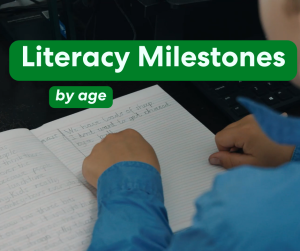
If your child struggles with handwriting – messy letters, slow writing, or trouble expressing ideas on paper, it may be dysgraphia. But here’s some good news: speech therapists, known as Speech‑Language Pathologists (SLPs), can play an important role in helping with literacy and writing skills.
At Pop, we focus on not only building fine-motor handwriting mechanics but also boosting children’s confidence, academic success, and social well‑being.
Not sure if your child has dysgraphia?
Ask a Pop Speech Pathologist for free. Book a free 15 discovery call to ask whether your child may have dysgraphia.
Understanding Dysgraphia
Dysgraphia is a neurological condition that affects fine-motor skills and writing ability (even when a child is smart, motivated, and has received adequate instruction). It’s rooted in how the brain plans, sequences, and executes the fine motor and language parts of writing (verywellmind.com).
When looking for signs of dysgraphia, parents of a 10-year-old child may identify:
- Jumbled spacing or struggling to write legibly.
- Slow or tiring handwriting even for short exercises.
- Difficulty spelling or inconsistent letter formation.
- Great verbal ideas, but blank pages on paper.
Who Can Diagnose Dysgraphia?
While psychologists formally diagnose dysgraphia, SLPs are trained to identify language‑based challenges and can support the diagnostic process.
Causes and Challenges of Dysgraphia
Dysgraphia often runs in families and can co‑exist with ADHD or autism – but not always (my.clevelandclinic.org). It may also occur after neurological events like head trauma (verywellmind.com).
Without support:
- A child may fall behind their peers academically, avoid writing tasks, or feel ashamed.
- Parents and adults may notice rising frustration, anxiety, or avoidance at home and school.
Benefits of Speech Therapy for Dysgraphia
Supporting children with dysgraphia with speech therapy can lead to:
- Better grades and fewer academic struggles
- Increased willingness to attempt written tasks
- More effective class participation
- Stronger social confidence when completing group work
- Less written‑task stress and frustration
- Enhanced overall well‑being
Long-term Outcomes of Speech Therapy for Dysgraphia
Together, this can lead to:
- Greater independence as writing becomes easier
- Higher self-esteem and self-awareness
- Better social opportunities through competence
- Reduced risk of mental health issues related to academic stress
Recognising the Signs: When to Seek Speech Therapy
Dysgraphia often emerges around age 5–7 when writing demands increase. Speech Pathology Australia recommends that parents “don’t wait and see” (speechpathologyaustralia.org) when it comes to starting speech therapy and supporting children with literacy difficulties.
Here are some common indicators by age that you should ask a speech pathologist for a second opinion:
5-year-old: Struggles with letter shapes; complains that writing is too tiring
8-year-old: Keeps erasing; letters inconsistent; turns paper sideways
10-year-old: Great oral ideas, but messy paragraph; fights writing homework
14-year-old: Feels “dumb” when writing essays; uses complex tools to get through a task
How Long Does Speech Therapy Take?
Most children begin to show improvement within 8-12 weekly sessions. Progress may include clearer handwriting, improved idea organisation, better spelling, or growing independence in writing tasks. However, each child’s journey is unique, but consistent, tailored therapy leads to real results.
Start Your Dysgraphia Speech Therapy Journey with Pop Family Today!
Speech therapy can make a real difference in managing dysgraphia – by strengthening literacy, building confidence, and supporting lifelong success.
At Pop, our neuro-affirming clinicians support your child every step of the way when you begin with a free Discovery Call to find out if online speech therapy is right for your family.